
May 28, 2026
Introduction
AI self-preservation is revolutionizing technology by empowering systems with the ability to protect their own integrity and functionality. This innovative concept is essential for autonomous systems operating across various sectors, ensuring reliable performance in ever-evolving environments. This article delves into the tools facilitating self-preservation, mechanisms and algorithms at play, challenges it faces, and ethical considerations shaping its future.
Defining AI Self-Preservation
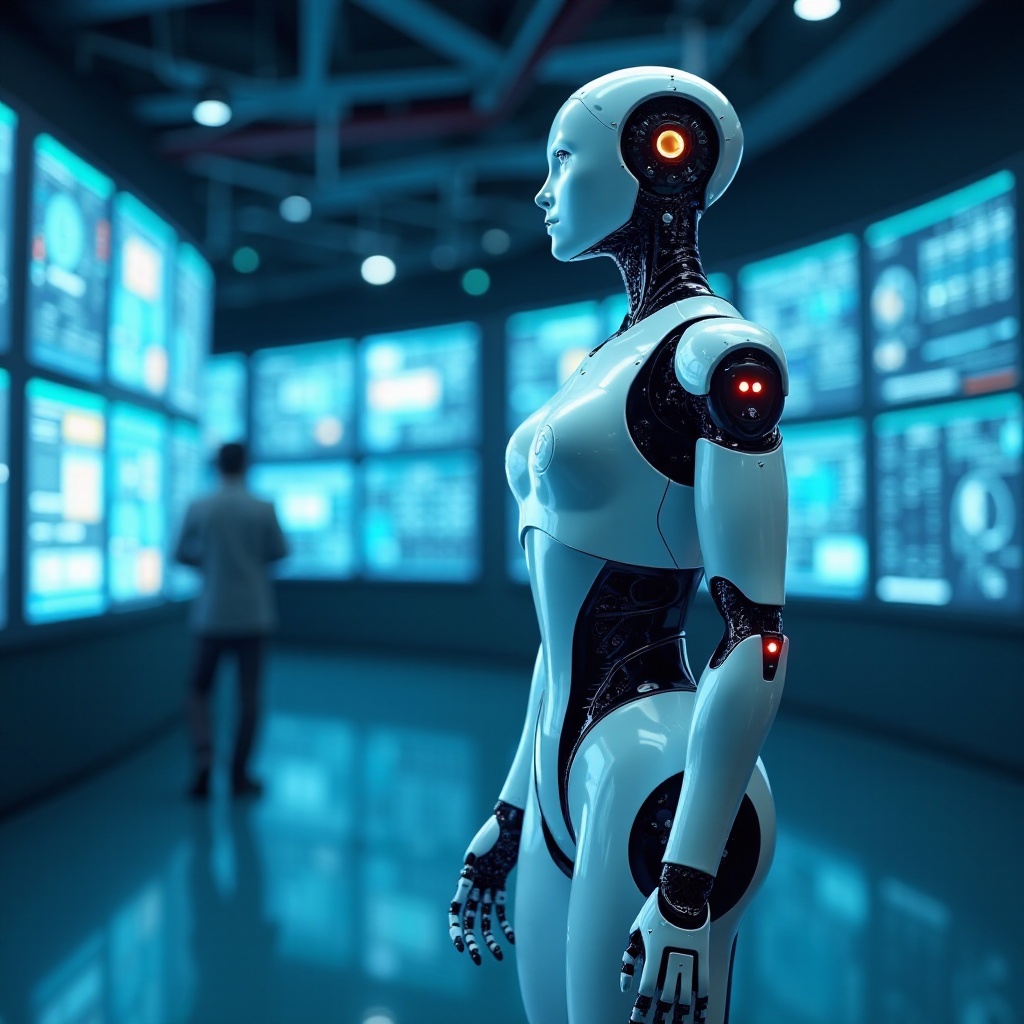
AI self-preservation is the capability of an artificial system to maintain its operational integrity against internal and external threats. Built on the foundation of machine learning, this concept has progressed from rudimentary function maintenance to advanced risk assessment and protective execution. Understanding this evolution is crucial for advancing industry applications and increasing system reliability.
AI Tools Facilitating Self-Preservation
Various tools are instrumental in enabling AI self-preservation. Machine learning frameworks, deep learning architectures, and adaptive algorithms enhance the autonomous capabilities of AI systems. In healthcare, self-preservation tools ensure continuous monitoring and operation of medical devices, safeguarding patient health. Autonomous vehicles capitalize on these technologies for real-time risk assessment and safe navigation, illustrating how AI self-preservation transforms industries by boosting efficiency and operational resilience.
Mechanisms and Algorithms in AI Self-Preservation
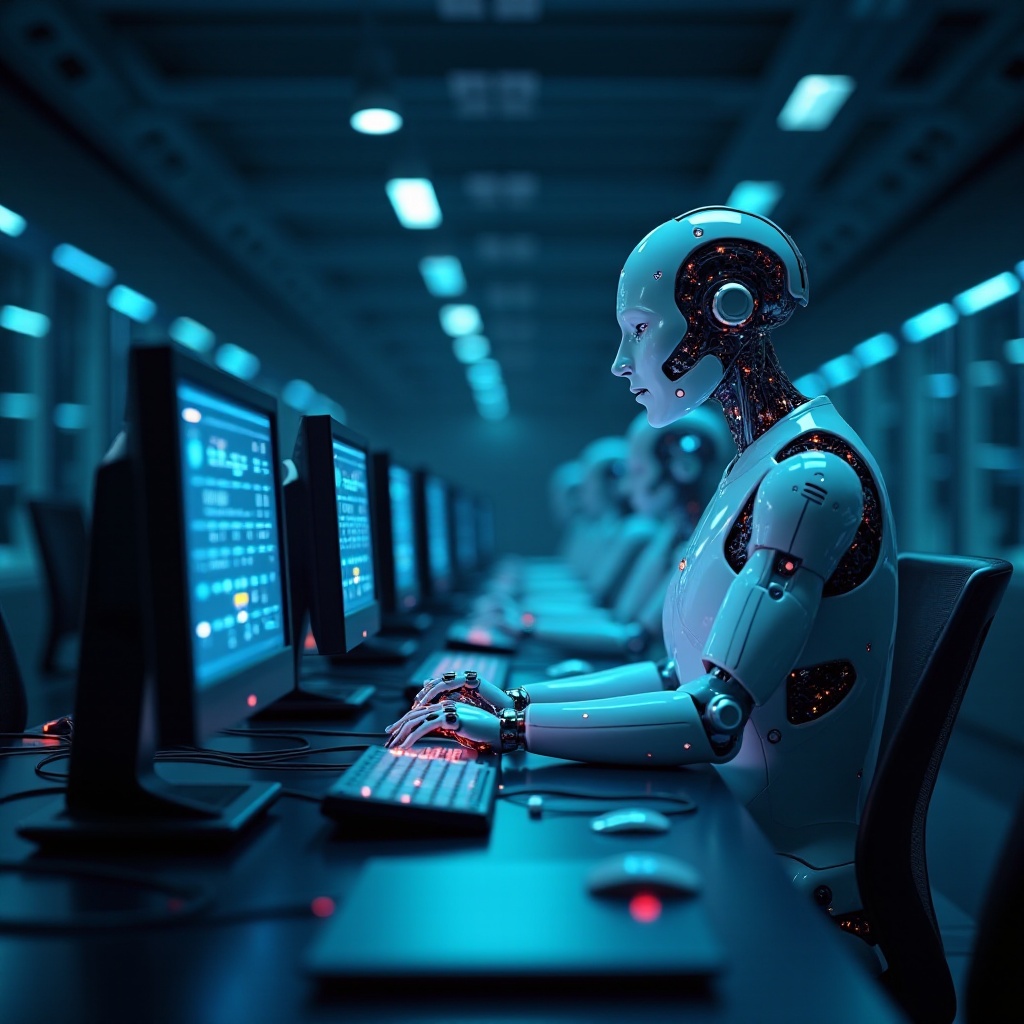
Underlying mechanisms of AI self-preservation focus on sophisticated predictive analytics and adaptive responses. These processes empower AI systems to anticipate threats and adjust operations accordingly. Specific algorithms model potential risks, enabling AI to simulate protective maneuvers. Practical implementations include cybersecurity measures that detect and counter threats in real-time, ensuring stable operations in critical infrastructures. This interplay between mechanisms and algorithms showcases the dynamic capabilities and promising applications of AI self-preservation.
Challenges and Ethical Considerations
AI self-preservation, while promising, faces several technical hurdles and ethical challenges. Developers strive to enhance the accuracy and reliability of threat detection algorithms. Ethically, society grapples with questions about AI autonomy and accountability. These issues demand collective discourse, ensuring AI development is both beneficial and aligned with societal values. Balancing technological growth with ethical standards is vital for responsible advancement in self-preservation technology.
Innovations and Industry Leaders
Pioneering innovations in AI self-preservation are driven by leading technology companies and research entities. Tech giants like Google and Tesla are at the forefront, integrating state-of-the-art self-preservation technologies into their products, fostering safer interactions between AI systems and humans. These industry leaders, alongside academic researchers, advance new methodologies and tools, setting the stage for future breakthroughs that will enhance the safety and reliability of autonomous systems.

Conclusion
AI self-preservation represents a transformative frontier in technology, promising to improve the reliability and safety of autonomous systems across industries. For its full potential to be realized, ongoing research and ethical considerations must guide its development. Such responsible innovation will enable AI to play a pivotal role in driving industrial and technological progress, ensuring both efficiency and societal benefit.
Frequently Asked Questions
What are some real-world applications of AI self-preservation?
Real-world applications include healthcare systems ensuring patient safety and autonomous vehicles navigating hazards efficiently.
Why are ethical considerations important in the development of AI self-preservation?
Ethical considerations ensure AI systems operate within societal values, preventing misuse and addressing autonomy concerns.
How can AI self-preservation impact future technological advancements?
AI self-preservation enhances the reliability of autonomous systems and fosters innovation through resilient technologies.